Quick Answer
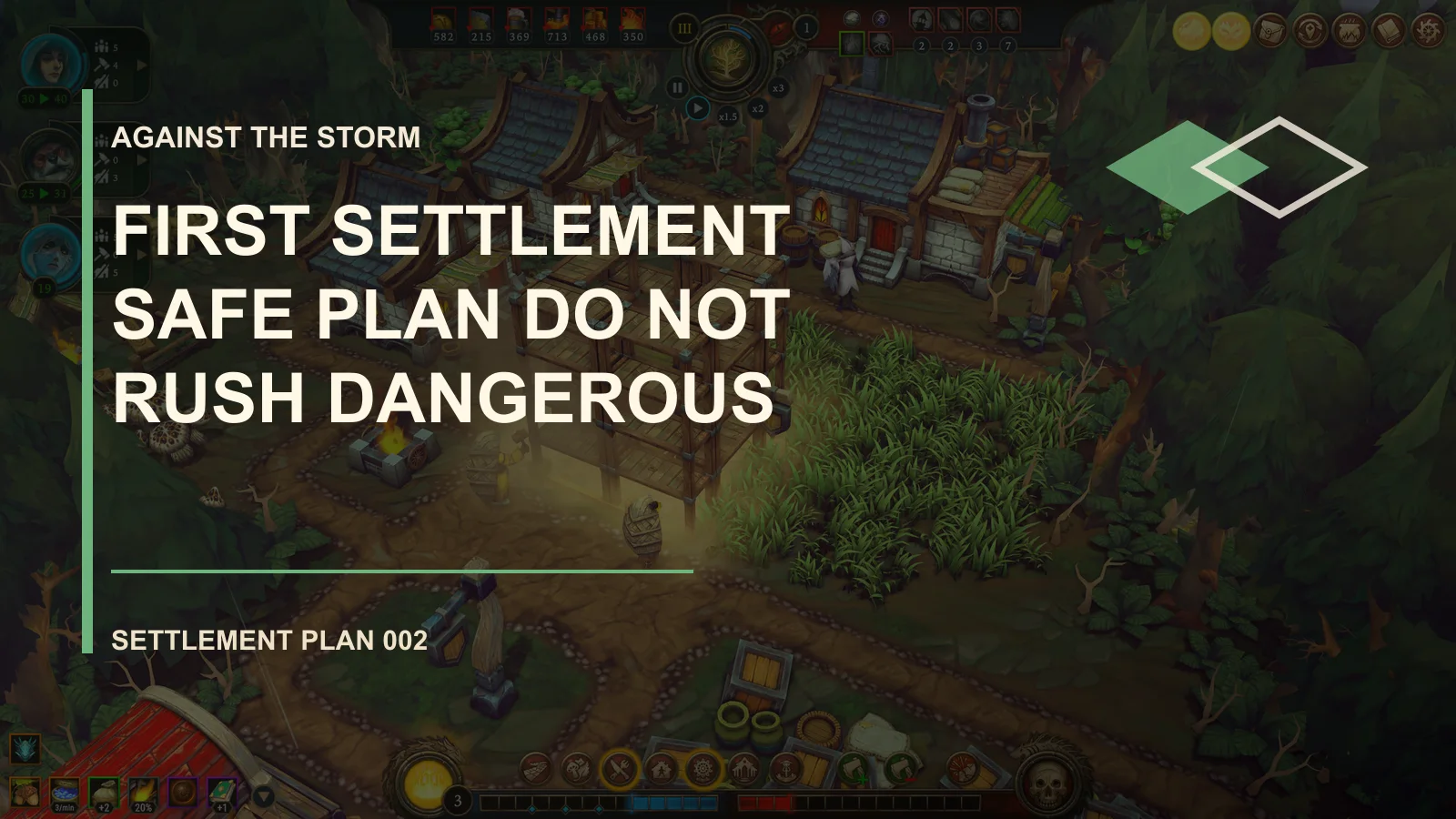
Against the Storm First Settlement Safe Plan is a safe / settlement safe plan / standard flow page. Against the Storm advice has to balance impatience, hostility, blueprint luck, species needs, glade danger, fuel, and the timer for seals. A useful page should help the player decide whether the current settlement should stabilize food, protect resolve, open a glade, secure fuel, trade for tools, or push the seal objective. This version gives that decision before it sends the reader deeper into the site.
Flow Purpose
| Layer | Job on this page | Keep out |
|---|---|---|
| standard flow | Turn the previous visit into one concrete settlement check | Generic hub text copied from another uxflow page |
| safe | Pick the priority for this player type | Equal-weight advice for every route |
| settlement safe plan | Send the reader to the next useful guide | A dead end that returns them to search |
Decision Table
| Problem | First check | Stop line |
|---|---|---|
| Opening plan | Starting resources, species needs, first blueprint, fuel source | Do not chase complex chains before food is stable |
| Dangerous glade | Tools, amber, workers, event penalty, time to solve | Do not chain-open glades without event answers |
| Hostility pressure | Wood use, storm penalty, hearth fuel, number of glades | Stop expansion when resolve is close to collapse |
| Seal run | Year, cornerstone, trade route, reputation, stored goods | Drop low-value side goals when time is short |
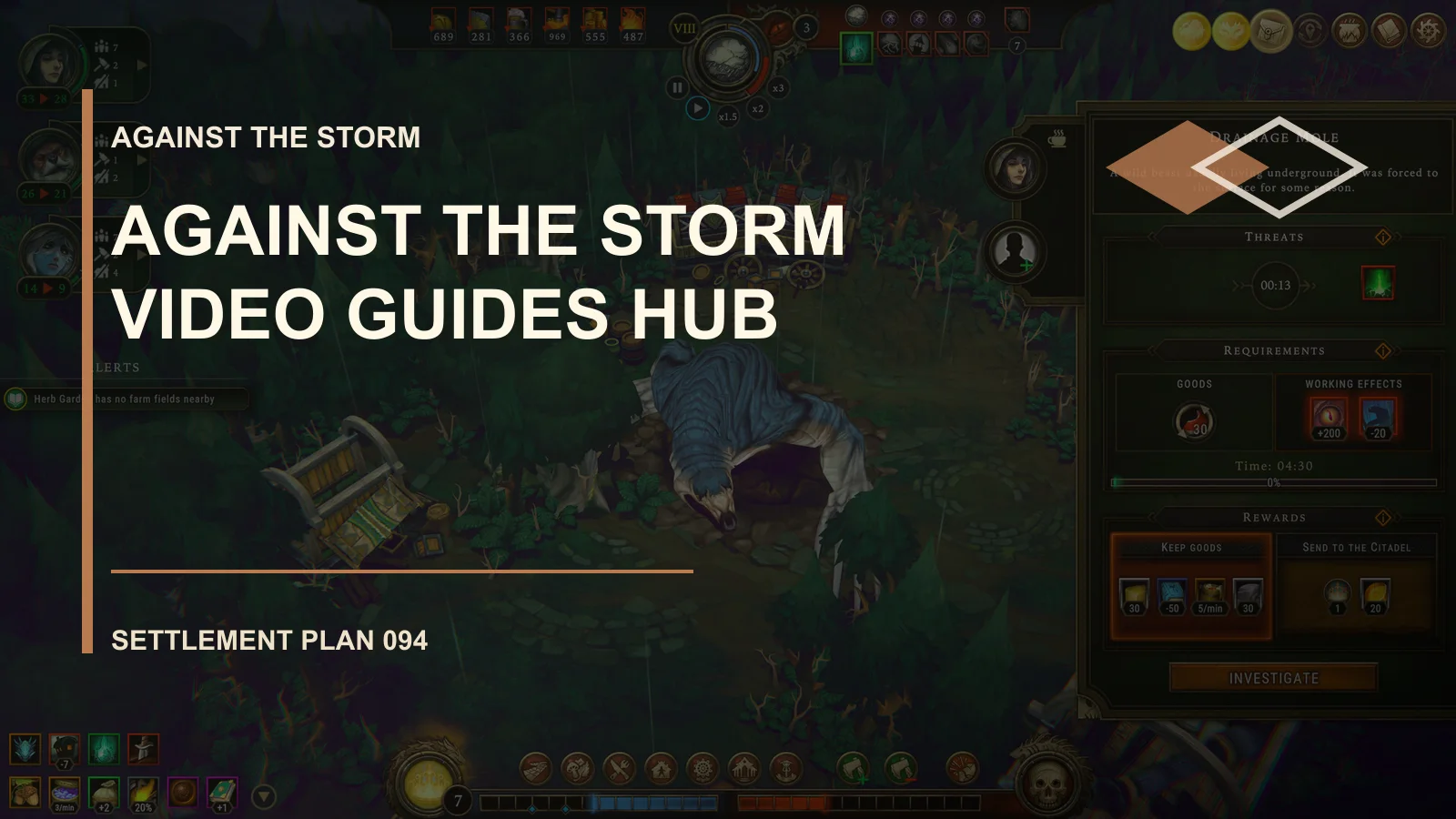
| Video reference | Official footage that confirms interface, pacing, or update context | Do not turn trailer shots into fixed settlement rules |
Practical Route
- Name the blocker in one sentence: food, fuel, resolve, hostility, event materials, blueprint choice, or seal timing.
- Match it to the safe route and pick one adjustment that can be checked before the next storm.
- If the page is about settlement safe plan, decide whether it belongs under starter route, systems, map objectives, completion updates, or video guides.
- Before each storm, check hearth fuel, housing, service access, species needs, and impatience so the settlement does not fail all at once.
- When using video, convert official footage into interface recognition, pacing notes, and version boundaries; keep the written checklist as the action plan.
Retest And Update Notes
After a patch, DLC launch, console release, or balance change, retest this page with a fresh settlement and one mid-run save. Confirm whether the blueprint timing, glade event pressure, hostility curve, and trade value still match the advice. If one answer becomes too broad, split it into a focused page for food, fuel, resolve, dangerous glades, seals, or video proof. That keeps the guide useful for both new players and returning veterans.
Common Mistakes
- Developing every resource evenly while the real blocker is food, fuel, tools, or resolve.
- Opening a dangerous glade for a reward without workers, materials, and enough time to solve the event.
- Watching a video and remembering the mood, but not the blueprint, resolve, hostility, or year condition.
- Ending the page without a next section, which sends the player back to search instead of the settlement hub.